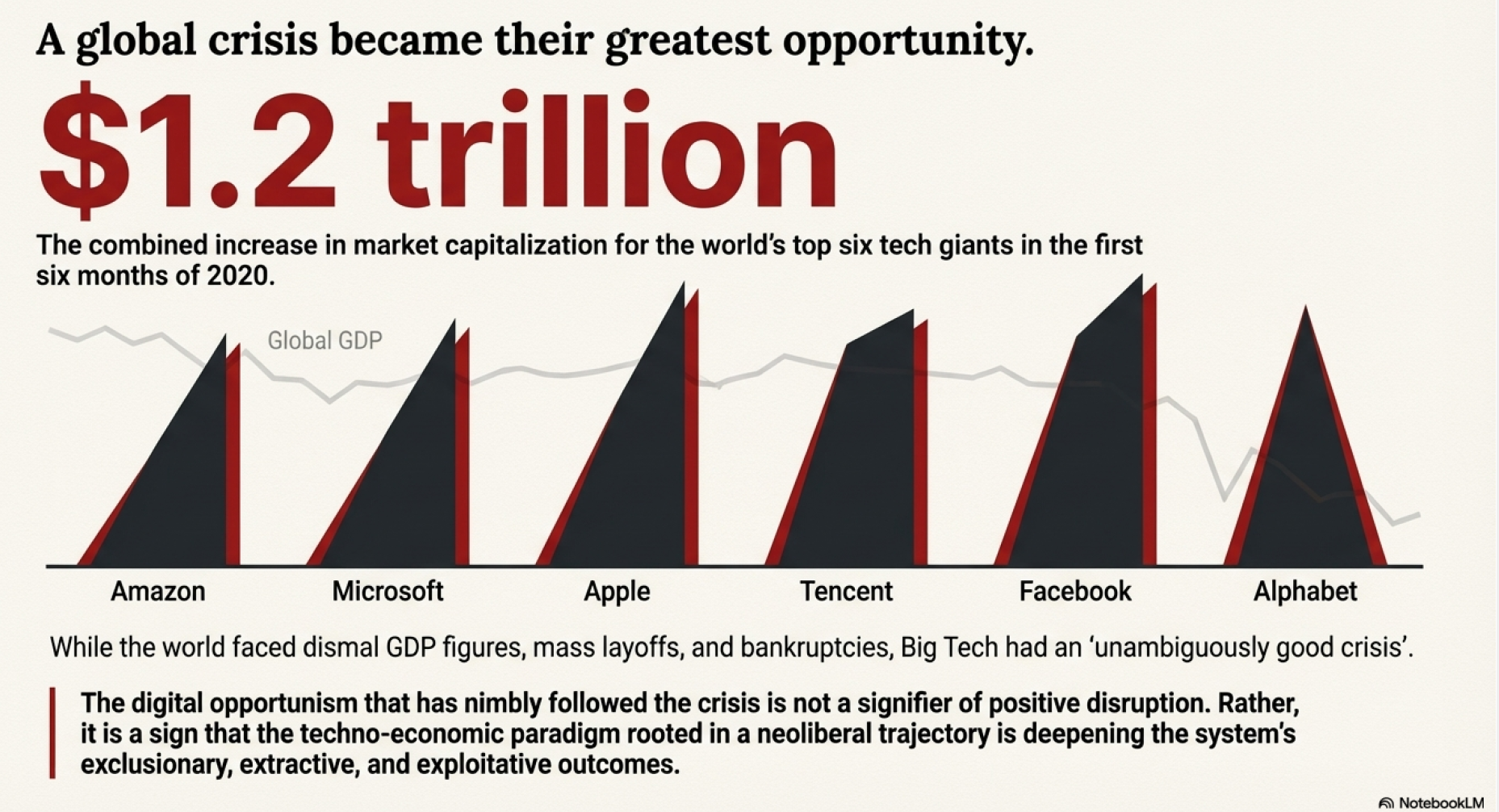
기술 과두정의 부상과 민주주의적 대응:
피터 틸과 팔란티어 시스템에 대한 비판적 성찰
1. 기술 과두정의 이데올로기와 주요 인물
| 구분 | 주요 내용 |
|---|---|
| 피터 틸 (Peter Thiel)의 선언 | 틸은 "나는 더 이상 자유와 민주주의가 양립 가능하다고 믿지 않는다"고 선언하며, 대중의 비합리성과 시기심에 휘둘리는 민주주의를 비효율적인 체제로 간주했습니다. 그는 기술적 진보와 시장의 자유를 억압하는 규제를 비판하며, 독점 기업이야말로 사회를 이끄는 엔진이라고 주장합니다. |
| 정치적 영향력 | 틸은 자신의 제자이자 정치적 동맹인 J.D. Vance를 부통령 후보로 만드는 데 핵심적인 역할을 했으며, 이를 통해 국가 권력을 기술 자본의 도구로 만들려는 전략을 실행했습니다. |
| 알렉스 카프(Alex Karp)와 "기술 공화국" | Palantir의 CEO인 카프는 인공지능 무기 체계의 등장을 '오펜하이머 모먼트'에 비유하며, 기술 기업들이 서구 문명을 지키기 위해 살상 가능한 AI 기술을 개발하는 것이 애국적 의무라고 강조합니다. 그는 실리콘밸리 엘리트들의 "천박한 소비자 중심주의"와 군사 협력 거부를 비판합니다. |
| 기술적 Übermenschen | 틸과 같은 기술 엘리트들은 자신들을 군중의 도덕에서 벗어난 '초인(Übermenschen)'으로 묘사하며, 자신들의 기술적 우월성을 통해 독자적인 질서를 구축하고, 민주적 규제 없이 기술 혁신을 추구해야 한다고 믿습니다. |
2. 팔란티어(Palantir)의 시스템과 논란
| 분야 | 주요 기능 및 시스템 | 논란 및 위험성 |
|---|---|---|
| 감시 인프라 구축 | Palantir는 CIA의 벤처 투자 부문인 In-Q-Tel의 초기 투자를 받아 설립되었습니다. 핵심 플랫폼인 Gotham과 Foundry는 방대한 데이터를 통합하여 군사, 정보, 법 집행 기관에 분석 도구를 제공합니다. | ICE (이민세관집행국)와의 협력을 통해 이민자 추적 및 대규모 추방 작전을 지원하며, 인권 침해 및 감시 국가 강화 논란을 일으켰습니다. |
| AI 전쟁 실험실 | Palantir의 소프트웨어는 우크라이나 및 이스라엘군에 AI 기반 표적 식별 및 전장 분석 도구를 제공하며, 우크라이나 전장에서 대부분의 표적 식별을 담당한다고 알려져 있습니다. | 알고리즘이 표적을 자동으로 식별하고 살상 결정을 가속화하면서, 실제 전장에서의 민간인 희생이나 비극을 데이터 처리 과정의 "오차"로 지워버린다는 비판을 받습니다. |
| 책임 공백(Accountability Gap) | Palantir는 자신들이 직접 데이터를 수집하거나 판매하지 않으며 단지 분석 도구만 제공할 뿐, 정책 집행 책임은 정부 기관에 있다는 논리로 윤리적, 법적 책임을 회피합니다. | 이러한 접근은 기술적 설계의 편향성이나 오류가 발생했을 때 실질적인 책임 소재를 불분명하게 만드는 "책임 공백"을 초래하며, 민주적 통제를 약화시킵니다. |
| 국가 주권의 침해 | Palantir의 시스템이 국가의 핵심 데이터 인프라에 도입되면, 국가는 특정 기업의 독점적 알고리즘에 종속되는 "플랫폼화"가 발생하여 장기적으로 공적 기구의 자율성을 약화시킵니다. |
3. 기술-국가 권력 결합과 민주주의적 대응
| 영역 | 현상 | 민주적 대응 전략 |
|---|---|---|
| 국가 권력의 사유화 | 술탄주의적 통치: 트럼프 2기 행정부에서 Elon Musk의 DOGE(정부 효율성 부서) 등을 통해 선출되지 않은 기술 과두정이 국가 기관의 해체와 사유화를 주도하고 있습니다. | 기술 민주주의 확립: 기술의 설계, 도입, 운영 전 과정에 시민들이 참여하고 결정할 수 있는 '기술 민주주의'를 실현해야 합니다. |
| 기술 혁신의 남용 | 노동 통제와 불평등 심화: AI를 통한 효율성 증대는 노동자의 권리를 약화시키고, AI 기반 감시 및 통제를 강화합니다. | 노동자의 데이터 권리 강화: AI에 의한 노동 통제에 대한 법적 책임을 제도화하고, 기술 도입 이익을 로봇세, 데이터 배당 등으로 사회 전체가 공유하는 분배 체계를 논의해야 합니다. |
| AI의 이데올로기화 | AI에 대한 무비판적 수용: AI를 국가적 생존의 유일한 해법으로 규정하며, 기술 지배를 운명론적으로 수용하고 비판적 담론을 억압하는 경향이 한국 사회에서도 강하게 나타납니다. | 비판적 지식 체계 구축: 기술 혁신의 환상에서 벗어나, 기술 이면의 권력 관계와 사회적 고통을 직시하는 '비판적 기술학'을 정립해야 합니다. |
| AI 군비 경쟁 | 무기화 및 규제 공백: AI가 군사 기술과 결합하면서 전쟁의 자동화와 비인간화를 가속화하지만, 국가 안보를 이유로 민주적 통제와 윤리적 규제에서 벗어나 있습니다. | 글로벌 시민 연대: 기술 과두정의 위협에 맞서 국경을 초월한 시민 연대와 비판적 지식 교류를 통해 기술 권력에 대한 민주적 감시와 통제권을 확보해야 합니다. |
Beyond the Code: 4 Shocking Truths from the Minds Shaping Our Digital World
In the early days of the digital revolution, Silicon Valley sold the world a utopian promise. Technology, we were told, would be the great equalizer—a force for making the world more open, connected, and democratic. The internet was imagined as a global public square where information would flow freely, empowering individuals and holding institutions accountable. This narrative of civic-minded progress became the foundational myth of our digital age, shaping our expectations of the tools that now mediate nearly every aspect of our lives.
But behind the sleek interfaces and disruptive business models, a new ideology is being actively engineered. This is not a gentle drift towards complexity, but a deliberate project to dismantle the very democratic norms that technology once promised to uphold. The utopian vision has begun to crack, revealing foundational beliefs that are often in direct opposition to the ideals they once claimed to champion. The ideas driving the future of technology are no longer just about code and efficiency; they are about power, control, and a fundamental reshaping of society itself.
This article explores four interconnected truths drawn from the statements and actions of figures like Peter Thiel and Alex Karp. Seen together, they build an escalating case that the architects of our digital world are not merely observers of societal change, but active agents in a campaign to forge a future in their own image—one that operates beyond the constraints of democracy.
- The Breakup: Why a Founding Father of Silicon Valley Lost Faith in Democracy
Peter Thiel is a foundational figure in modern technology. As a co-founder of both PayPal and the data-mining firm Palantir, and as an early, crucial investor in Facebook, his influence is woven into the very fabric of the internet economy. He is what journalist Murad Ahmed of the Financial Times called a "philosopher king at the very top of Silicon Valley." This makes his radical shift in thinking all the more jarring.
Thiel has moved from being a participant in the techno-libertarian project to one of its most profound critics, culminating in a stark and shocking declaration:
"I no longer believe that freedom and democracy are compatible."
This is not merely a provocative opinion; it is the cornerstone of a political agenda in motion. Thiel has operationalized this belief by pouring millions into the "anti-democracy movement," financially backing political figures like JD Vance and Blake Masters, who work to advance what sources describe as a "post-democratic, corporate-aligned conservative order." His statement is a direct rejection of the civic-minded narrative that long justified Silicon Valley’s power, reframing the political structures that enabled the tech boom as obstacles to be overcome. One of the digital world's most influential thinkers is actively funding a future that operates beyond democracy’s constraints.
- The New Cold War: "Communist AI" vs. "Libertarian Crypto"
Beyond his disillusionment with democratic governance, Thiel has framed the development of technology itself in stark, ideological terms. He sees the two most transformative technologies of our era not as neutral tools but as opposing forces in a global political struggle.
His argument is captured in another of his famously provocative statements:
"Crypto is decentralizing, AI is centralizing. Or, if you want to frame it more ideologically, crypto is libertarian and AI is communist."
This dichotomy frames a new kind of cold war fought with algorithms and blockchains. Artificial intelligence, in his view, is a centralizing force that aggregates massive amounts of data, concentrating power in the corporations or governments that control it—a structure he labels "communist." Cryptocurrency, conversely, is a decentralizing force that distributes power away from institutions like banks and governments, empowering individuals in a way he defines as "libertarian."
But this framing is more complex than it appears. Thiel is not just a commentator; he is a key investor on both sides of his own ideological war. He was a financial backer of OpenAI, a leader in the "communist" AI space, while his venture firms simultaneously invest heavily in the "libertarian" crypto and blockchain sector. This dual-pronged strategy suggests an effort not just to pick a winner in a technological battle, but to control the terms of the conflict itself, positioning him to profit regardless of which vision for the future prevails.
- The Art of Lethal Software
Alex Karp, CEO of Palantir, co-founded the data-mining and defense tech firm with Peter Thiel. The company, which builds software for intelligence agencies and militaries, operates at the controversial intersection of technology and state power. Yet, its internal ethos presents a jarring contrast, justifying its work in surprisingly romantic terms.
A critique in The New Republic highlights this disturbing self-perception, describing Palantir's worldview as:
"...one where a $200 billion tech company enacts violence in the name of Western civilization while waxing poetic about how building lethal software is just like making great art."
This aesthetic framing of defense technology is further illustrated by the claim that the best startups operate like "artist colonies, filled with temperamental and talented souls." When synthesized with Palantir’s self-described "warrior culture," a more complete and chilling ideology emerges. It is a belief system that merges the romanticism of the artist with the aggression of the warrior, reimagining the creation of surveillance and warfare systems not as a grim necessity, but as a form of high-minded, heroic expression. This ethos provides profound insight into the psychological framework that normalizes the creation of such powerful and potentially dangerous tools.
- The Digital Commons Isn't Yours: The Colonization of Online Knowledge
While individuals exert immense influence, the very structures of our digital world also harbor shocking imbalances. Far from being a great equalizer, the internet can amplify existing inequities, particularly when it comes to who curates the world's knowledge.
Wikipedia, the world's foremost source of free online information, serves as a stark example. Despite its goal of creating a comprehensive repository of human knowledge, its content is shaped by a startlingly narrow demographic.
"Only 20 percent of the world (primarily white male editors from North America and Europe) edits 80 percent of its content, and only 1 in 10 editors is female."
The consequence of this imbalance is a skewed and incomplete picture of the world, where there are more articles online about Antarctica than about most countries in Africa. This is not simply a data quirk; it is a form of "epistemic injustice." The world's digital commons is being colonized by a small, privileged group, marginalizing the histories of entire communities. This system perpetuates a world where dominant, written "histories" crowd out the lived, oral, and communal "ourstories"—the ways of knowing and recording experience that define the vast majority of the world's cultures. The promise of an inclusive digital library is undermined when the voices of most of the world are structurally silenced.
Conclusion: The Architects and the Abyss
These four truths—a funded war on democracy, the framing of technology as ideological warfare, the aestheticization of lethal software, and the colonization of our knowledge commons—are not isolated phenomena. They are interconnected symptoms of an emerging techno-authoritarianism. They are evidence of a new neo-feudal order where ideological, financial, and structural power is immensely concentrated in the hands of a few tech elites who are building the infrastructure of our future.
Their visions are shaping the digital systems that govern our lives, yet those visions are increasingly diverging from the democratic and egalitarian ideals that technology was supposed to serve. This leaves us with a critical and unsettling question. What does it mean for our collective future when the very architects building our digital world seem to be designing it based on a loss of faith in democracy, equality, and shared knowledge?
"Beyond the Code: 4 Shocking Truths from the Minds Shaping Our Digital World"는 우리가 막연하게 믿어왔던 '기술의 민주화'라는 환상을 깨뜨리고, 실리콘밸리의 핵심 인물들이 설계 중인 위험한 미래상을 4가지 진실로 요약하고 있습니다.
🌐 코드 너머의 진실: 디지털 세상을 설계하는 자들의 4가지 충격적 실체
과거 실리콘밸리는 기술이 세상을 더 개방적이고 민주적으로 만들 것이라는 '유토피아적 약속'을 팔았습니다. 하지만 그 이면에서는 민주주의 규범을 해체하고 소수의 엘리트가 권력과 통제권을 장악하려는 '테크노 권위주의'가 정교하게 설계되고 있습니다.
1. 민주주의와 결별한 실리콘밸리의 대부 (피터 틸)
- 충격적 선언: 페이팔과 팔란티어의 창업자 피터 틸은 "더 이상 자유와 민주주의가 호환 가능하다고 믿지 않는다"고 단언했습니다.
- 행동: 그는 이 철학을 실천하기 위해 민주주의 이후의 기업 중심 보수 질서를 세우려는 정치인들(JD 밴스 등)에게 막대한 자금을 쏟아붓고 있습니다. 기술 발전에 민주적 절차는 '방해물'일 뿐이라는 인식입니다.
2. 알고리즘 냉전: "공산주의 AI" vs "자유주의 크립토"
- 이데올로기 프레임: 틸은 기술을 중립적 도구가 아닌 정치적 무기로 봅니다.
- AI (인공지능): 데이터와 권력을 중앙으로 집중시키기 때문에 '공산주의적' 기술로 규정.
- 크립토 (암호화폐): 권력을 분산시키기 때문에 '자유지상주의적' 기술로 규정.
- 모순적 전략: 그는 이런 이데올로기 전쟁을 부추기면서 정작 양쪽(OpenAI와 크립토 기업들) 모두에 거액을 투자하여, 어떤 미래가 오든 자신의 지배력은 유지되도록 설계하고 있습니다.
3. 살상용 소프트웨어의 미학화 (알렉스 카프와 팔란티어)
- 치명적 소프트웨어의 예술화: 팔란티어는 정보기관과 군대에 감시·살상용 소프트웨어를 공급하면서, 정작 자신들의 업무를 '예술 활동'이나 '서구 문명을 수호하는 전사 문화'로 포장합니다.
- 위험성: 폭력과 감시를 수행하는 기술 개발을 '천재적인 예술적 표현'으로 낭만화함으로써, 그 기술이 초래할 비윤리적 결과에 대한 도덕적 감각을 마비시키고 있습니다.
4. 지식 공유지의 식민지화 (디지털 불평등)
- 왜곡된 정보 구조: 위키피디아 같은 '자유로운 지식의 보고'조차 실제로는 북미와 유럽의 백인 남성 편집자(전체의 80% 지식 생산)에 의해 장악되어 있습니다.
- 결과: 전 세계 인구 대다수의 목소리는 배제된 채, 특정 계층의 시각으로 세계의 역사가 기록되는 '지식의 불평등(Epistemic Injustice)'이 심화되고 있습니다.
🏁 결론: 테크-봉건주의(Neo-Feudalism)의 도래
이 네 가지 진실은 별개의 사건이 아닙니다. 이는 민주주의와 평등에 대한 신뢰를 버린 소수의 테크 엘리트들이 자신들만의 제국을 건설하고 있다는 증거입니다. 우리가 기술의 편리함에 취해 있는 사이, 디지털 세상의 설계자들은 우리를 민주적 통제가 불가능한 '신봉건주의' 시대로 끌고 가고 있습니다.
<피터 틸과 알렉스 카프: 테크-올리가키(Oligarchy)와 민주주의의 위기>
슬라이드 1: 타이틀
- 메인 제목: 기술 권력과 민주주의의 해체: 피터 틸과 알렉스 카프를 향한 비판적 성찰
- 부제: AI·빅테크 과두정과 군산복합체의 결합, 우리는 무엇을 경계해야 하는가?
슬라이드 2: 서론 - 새로운 ‘우상화’와 경제 정책의 함정
- 핵심 문구: AI와 주식이 국가 정책이 된 시대, 사라진 비판적 담론
- 주요 내용:
- 한국 내 AI·빅테크에 대한 무비판적 수용과 좌우를 막론한 '우상화' 현상.
- AI가 군산학 복합체와 결합하며 시작된 제2의 핵무기 경쟁(국제적 군비경쟁).
- 질문: "나의 투자가 살상과 감시에 쓰인다면, 그것은 윤리적으로 정당한가?"
슬라이드 3: 피터 틸(Peter Thiel) - 기술 자본에 의한 민주주의 잠식
- 핵심 문구: 민주주의를 위협하는 엘리트주의적 전략가
- 주요 내용:
- 정치적 영향력: 막대한 자금력을 바탕으로 민주적 규범보다 엘리트 중심 권력 선호.
- 자유 vs 민주주의: 자유와 민주주의가 상충할 수 있다는 태도 견지.
- 위험성: 기술과 자본이 민주적 의사결정을 지배하는 '겉보기 민주주의'의 고착화.
- 결론: 시민사회의 견제 없는 기술 권력은 소수 엘리트의 독재로 이어진다.
슬라이드 4: 알렉스 카프(Alex Karp)와 팔란티어(Palantir)
- 핵심 문구: “나는 오펜하이머다” – 감시 국가의 설계자
- 주요 내용:
- 권력 결탁: ICE, CIA, 국방부 등 국가 권력과 결합한 데이터 감시 시스템 구축.
- 책임 회피의 논리: "우리는 기술만 제공할 뿐, 집행은 정부 몫"이라는 전략적 방관.
- 그림자 정부: 민주적 통제를 벗어난 데이터 분석 시스템이 실질적 통제권 행사.
- 이중성: 민주주의 수호를 외치지만 실제로는 인권 침해적 감시의 핵심 공급자.
슬라이드 5: 테크노 파시즘과 트랜스휴머니즘의 위험성
- 핵심 문구: 인간의 본질을 위협하는 ‘디지털 유전학’
- 주요 내용:
- 신체 교체 담론: 2025년 인터뷰에서 언급된 '심장과 뇌의 AI 교체' 및 영생 추구.
- 트랜스휴머니즘: 생물학적 한계 극복을 명분으로 한 인간 본질의 훼손.
- 윤리적 공백: 기술적 효율성이 윤리적 판단과 민주적 통제를 압도하는 현상.
- 비판: 기술 발전을 빌미로 한 사이코패스적 권력 확장과 우생학적 위험성.
슬라이드 6: 미국 진보진영의 경고와 한미 극우 연대
- 핵심 문구: 마가(MAGA) 2기와 테크-올리가키에 대한 비판적 대응
- 주요 내용:
- 해외 사례: 로버트 라이시, 버니 샌더스 등이 주도하는 빅테크 과두정에 대한 성찰.
- 한미 연대: 한국 사회가 간과하고 있는 한미 간 극우 기술 연대의 위험성 경고.
- 감시의 필요성: 기술·자본·정보가 결합한 권력이 민주주의를 어떻게 해체하는지 직시해야 함.
슬라이드 7: 결론 - 시민의 감시와 민주주의의 회복
- 핵심 문구: 민주주의는 저절로 지켜지지 않는다
- 주요 내용:
- 민주주의는 단순한 투표를 넘어, 자본과 권력의 결합을 감시하는 일이다.
- 기술 혁신이라는 미명 아래 소수에게 집중되는 결정권을 시민사회로 되찾아와야 함.
- 마지막 메시지: "두렵지만 누군가는 해야 할 비판, 이제 시민과 언론이 응답할 차례다."
피터 틸의 정치 철학과 알렉스 카프의 팔란티어가 결합하여 만들어내는 '테크-권위주의(Techno-Authoritarianism)'의 실체를 두 가지 측면에서 깊이 있게 분석해 드립니다.
1. 피터 틸의 '포스트 민주주의(Post-Democracy)' 전략 분석
피터 틸의 전략은 단순한 보수 정기 후원을 넘어, 민주주의라는 시스템 자체를 기술과 자본의 하부 구조로 재편하려는 거대한 기획입니다.
① 자유와 민주주의의 강제적 분리
틸은 2009년 에세이에서 "자유와 민주주의는 더 이상 양립할 수 없다"고 선언했습니다. 그의 논리는 다음과 같습니다.
- 민주주의의 한계: 대중 민주주의는 복지 지출 확대와 규제를 요구하며, 이는 기술 혁신과 자본 축적을 방해한다고 봅니다.
- 기술적 탈출(Exodus): 투표로 세상을 바꿀 수 없다면, 기술을 통해 기존 국가의 통제를 벗어난 '해상 도시(Seasteading)'나 '우주 식민지' 같은 새로운 통치 영역을 구축해야 한다는 주장입니다.
② 정치적 대리인을 통한 국가 개조 (The Proxy Strategy)
틸은 직접 정치에 나서기보다 자신의 철학을 공유하는 젊은 정치 엘리트들을 육성하고 후원합니다.
- JD 밴스(JD Vance)와 블레이크 마스터스(Blake Masters): 틸의 자금력을 바탕으로 중앙 정계에 진출한 이들은 '신우파(New Right)'로 불리며, 전통적인 민주적 절차보다 강력한 CEO형 리더십(일당 독점적 효율성)을 옹호합니다.
- 국가 장악: 이는 민주주의를 내부에서부터 해체하여, 국가 운영 방식을 실리콘밸리 기업의 운영 방식(Top-down)으로 바꾸려는 전략입니다.
③ 독점 지향적 자본주의
그의 저서 『제로 투 원(Zero to One)』에서 강조하듯, 그는 경쟁을 "패배자들의 것"으로 치부하고 '독점'을 찬양합니다. 이 철학이 정치와 결합하면, 시장과 정치 모두에서 견제와 균형이 사라진 '테크-올리가키(과두정)'가 탄생합니다.
2. 팔란티어(Palantir)의 실전 투입: 분쟁 지역에서의 역할
팔란티어의 소프트웨어(고담, 파운드리)는 단순한 데이터 분석 도구를 넘어, 현대전의 '디지털 지휘부' 역할을 하며 실제 살상과 검거에 직접적인 영향을 미칩니다.
① 이스라엘-하마스 분쟁 (AI 타겟팅)
- 용도: 팔란티어는 이스라엘 국방부와 협력하여 방대한 첩보 데이터를 실시간 분석합니다.
- 비판: SNS 게시물, 통화 기록, 이동 패턴 등을 분석해 '잠재적 위협 인물'을 식별하는데, 이 과정에서 발생하는 오보나 알고리즘의 편향성이 민간인 살상으로 이어진다는 강력한 윤리적 비판을 받고 있습니다. 알렉스 카프는 이를 "서구 문명을 지키는 예술"이라며 정당화합니다.
② 우크라이나 전쟁 (디지털 소모전)
- 용도: 우크라이나군은 팔란티어의 시스템을 사용하여 러시아군의 이동 경로를 예측하고 포병 사격 지점을 결정합니다.
- 의의: 카프는 "우크라이나가 승리하는 이유는 팔란티어 덕분"이라고 공언했습니다. 이는 민간 기업의 소프트웨어가 국가 간 전쟁의 승패를 결정짓는 '전쟁의 외주화' 현상을 극명하게 보여줍니다.
③ 미국 내 이민자 검거 (ICE 협력)
- 용도: 미국 이민세관집행국(ICE)은 팔란티어의 시스템을 활용해 불법 체류자의 가족 관계, 직장 정보, 거주지를 추적하여 대대적인 체포 작업을 수행했습니다.
- 논란: 이는 기술이 취약 계층을 감시하고 구금하는 데 얼마나 효율적으로(그리고 냉혹하게) 쓰일 수 있는지를 증명한 사례로 꼽힙니다.
3. 요약 및 시사점: '오펜하이머'의 재림?
알렉스 카프가 스스로를 오펜하이머에 비유한 것은 의미심장합니다. 핵무기가 물리적 파괴력을 독점했다면, 팔란티어와 틸의 AI 전략은 '정보의 독점'을 통해 인류의 생사여탈권을 쥐겠다는 선언과 같습니다.
| 구분 | 전통적 민주주의 | 피터 틸/팔란티어의 미래 |
|---|---|---|
| 의사결정 | 토론과 합의 (느리지만 공정) | 알고리즘과 데이터 (빠르고 효율적) |
| 권력 주체 | 선출된 시민의 대리인 | 기술을 소유한 자본가와 엘리트 |
| 기술의 목적 | 공익과 연결 | 통제, 감시, 그리고 전쟁의 승리 |
피터 틸과 알렉스 카프가 주도하는 '테크-권위주의'에 맞서, 미국의 진보 지형이 제시하는 반격 카드와 한국 정책의 현주소를 비교 분석합니다.
1. 미국 진보 진영의 대항 전략: "기술을 다시 시민의 손으로"
로버트 라이시(Robert Reich), 버니 샌더스(Bernie Sanders), 그리고 리나 칸(Lina Khan) FTC 의장을 필두로 한 미국 진보 진영은 기술 권력을 '공공재'와 '민주적 통제'의 영역으로 끌어들이려 합니다.
① 독점 해체와 알고리즘 거버넌스 (리나 칸 & 로버트 라이시)
- 반독점법의 재해석: 단순히 가격 인하를 넘어, 빅테크의 데이터 독점이 민주주의와 노동 환경에 미치는 해악을 근거로 기업 분할을 주장합니다.
- 알고리즘 감사제: 팔란티어와 같은 기업이 사용하는 알고리즘이 인종 차별, 이민자 감시, 불법 타겟팅에 쓰이지 않도록 정부와 시민단체가 그 '블랙박스'를 열어볼 권리를 요구합니다.
② 데이터 주권과 이익 공유 (데이터 배당)
- 기술 엘리트들이 시민의 데이터를 무료로 수집해 막대한 부를 쌓고 전쟁 무기를 만드는 것에 반대합니다. 시민의 데이터로 창출된 수익의 일부를 '데이터 배당' 혹은 '공공 기금'으로 환수하여 테크-올리가키의 자본 독점을 막아야 한다는 논리입니다.
③ 기술 윤리 및 고용 책임 (버니 샌더스)
- AI가 군산복합체와 결합해 살상 무기가 되는 것을 막기 위해, 국방부와 빅테크 간의 계약에 엄격한 윤리적 가이드라인을 법제화할 것을 촉구합니다. 또한 AI로 대체되는 노동자들을 위한 '로봇세' 도입 등을 통해 부의 재분배를 꾀합니다.
2. 한국 AI 정책과의 비교: "닮은꼴과 위험 지점"
한국은 현재 AI를 국가 생존 전략으로 선포하며 'AI G3' 도약을 목표로 하고 있습니다. 그러나 이 과정에서 미국 테크-권위주의의 그림자가 짙게 투영되고 있습니다.
| 비교 항목 | 미국 테크-권위주의 (틸/카프) | 한국 AI 정책의 현주소 |
|---|---|---|
| 핵심 가치 | 기술 효율성 및 국가 안보 지상주의 | 산업 육성 및 글로벌 경쟁력 우선 |
| 규제 태도 | 규제는 혁신의 방해물 (포스트 민주주의) | 선(先)허용 후(後)규제 (자율 규제 원칙) |
| 데이터 접근 | 정보기관·군사 목적의 전방위 수집 | 공공 데이터의 전면 개방 및 민간 활용 |
| 결합 구조 | 테크-올리가키와 군산복합체 결합 | 대기업(재벌) 중심의 AI 생태계 구축 |
⚠️ 한국 정책의 위험한 징후들
- 민주적 통제의 부재: 'AI 기본법' 논의 과정에서 윤리적 가이드라인이나 시민의 거부권보다는 산업 진흥에 무게가 실려 있습니다. 이는 기술이 권력과 결합할 때 시민을 감시하거나 소외시킬 수 있는 장치를 스스로 해제하는 것과 같습니다.
- 공공 영역의 기술 외주화: 한국 정부가 추진하는 '클라우드 네이티브' 및 '디지털 플랫폼 정부' 사업이 팔란티어와 같은 모델을 추종할 경우, 국가의 핵심 데이터 관리 권한이 소수 빅테크 기업에 종속될 위험이 큽니다.
- 비판적 담론의 실종: 질문자님께서 우려하신 대로, 한국 내에서는 AI를 '부의 기회'나 '국가적 과제'로만 인식할 뿐, 그것이 가져올 정치적 권력의 불균형이나 감시 체계의 내면화에 대한 성찰은 매우 부족한 실정입니다.
3. 요약 및 제언: 기술은 중립적이지 않다
피터 틸과 알렉스 카프가 설계하는 미래는 '민주주의 없는 기술 발전'입니다. 한국이 이들의 발자취를 무비판적으로 따른다면, 겉모습은 IT 강국이나 실질적으로는 소수 엘리트와 알고리즘에 의해 통제되는 '디지털 판옵티콘'이 될 수 있습니다.
미국 진보 진영이 강조하듯, 우리에게 필요한 것은 '기술 발전의 속도'가 아니라 '기술이 누구를 위해 쓰이는가'에 대한 사회적 합의입니다.
로버트 라이시(Robert Reich)의 철학과 그간의 주장을 바탕으로 재구성한 '빅테크 규제 10대 원칙'과, 한국 사회가 테크-권위주의에 맞서 실천해야 할 '시민·언론 감시 가이드'를 정리해 드립니다.
1. 로버트 라이시의 '빅테크 규제를 위한 10가지 원칙'
라이시는 기술 권력이 소수에게 집중되는 것이 민주주의의 가장 큰 위협이라고 보며, 다음과 같은 구조적 개혁을 강조합니다.
- 독점 기업의 강제 분할: 경쟁을 저해하고 혁신을 가로막는 거대 플랫폼(구글, 아마존, 메타 등)을 기능별로 분리하여 권력 집중을 막아야 한다.
- 데이터 소유권의 시민 환원: 사용자가 생성한 데이터는 기업의 소유가 아닌 사용자의 자산이다. 데이터 이동권을 보장하고 데이터 활용 수익을 시민에게 환원해야 한다.
- 알고리즘 투명성 및 감사 의무화: 알고리즘이 여론을 조작하거나 특정 계층을 차별하지 않는지 정부와 독립 기구가 상시 감시해야 한다.
- 정치 자금 및 로비 제한: 빅테크 기업이 막대한 자금력으로 입법 과정과 선거에 개입하여 자신들에게 유리한 법안을 만드는 것을 엄격히 금지해야 한다.
- 콘텐츠에 대한 발행인 책임 부여: 플랫폼은 단순한 '통로'가 아니다. 가짜 뉴스, 혐오 표현, 민주주의 파괴 콘텐츠에 대해 법적 책임을 져야 한다.
- 인수합병(M&A) 승인 요건 강화: 잠재적 경쟁자를 싹부터 자르는 '킬러 인수(Killer Acquisitions)'를 막기 위해 빅테크의 M&A 심사를 대폭 강화해야 한다.
- 노동자 권리 보장 및 로봇세 도입: AI로 대체되는 노동자를 보호하고, 기술로 얻은 초과 이익에 세금을 부과하여 사회 안전망을 구축해야 한다.
- 공공 영역의 기술 종속 방지: 교육, 의료, 국방 등 공공 서비스가 특정 기업의 독점 기술에 의존하지 않도록 '오픈 소스'와 '공공 플랫폼'을 육성해야 한다.
- 사생활 침해적 감시 기술 금지: 안면 인식이나 행동 예측 등 인권을 침해하는 감시 기술의 상업적·국가적 사용을 엄격히 제한해야 한다.
- 글로벌 조세 회피 차단: 최저 법인세를 적용하여 기술 기업이 조세 피난처를 통해 사회적 책임을 회피하는 것을 막아야 한다.
2. 한국 시민사회와 언론이 당장 시작해야 할 5가지 감시 활동
한국은 테크-권위주의에 대한 경계심이 매우 낮기 때문에, 다음과 같은 구체적인 감시 활동이 시급합니다.
① 'AI 기본법' 독소조항 감시 (입법 감시)
- 활동: 현재 국회에서 논의되는 AI 법안 중 '선허용-후규제' 원칙이 시민의 안전권을 침해하는지 분석해야 합니다. 특히 고위험 AI(채용, 금융, 치안 등)에 대한 '거부권'과 '설명요구권'이 포함되는지 끝까지 추적해야 합니다.
② 군·경의 AI 및 데이터 사업 밀착 감시 (군산복합체 견제)
- 활동: 국방부나 경찰청이 팔란티어와 같은 모델의 데이터 분석 시스템을 도입하는지, 그 과정에서 시민의 개인정보가 무단으로 활용되거나 '예측 치안'이라는 명목으로 특정 계층을 타겟팅하는지 조사 보도해야 합니다.
③ 테크 엘리트와 정치권의 결탁 취재 (권력 감시)
- 활동: 특정 빅테크 기업 출신들이 정부 자문위원이나 고위직으로 들어가 자신들에게 유리한 정책(데이터 개방, 규제 완화 등)을 설계하는 '회전문 인사'와 '테크 로비' 실태를 파헤쳐야 합니다.
④ 알고리즘 편향성 및 노동 환경 실태 조사 (사회 감시)
- 활동: 배달 앱, 택시 호출 등 플랫폼 노동을 통제하는 알고리즘의 불투명성을 검증하고, AI 도입 과정에서 소외되는 노동자들의 권리 침해 사례를 공론화해야 합니다.
⑤ 디지털 리터러시를 넘어선 '테크-비판' 교육 (담론 형성)
- 활동: 언론과 시민단체는 기술을 단순히 '편리한 도구'나 '돈 벌 기회'로만 소개하는 보도 관행을 버려야 합니다. 기술의 정치적 본질을 알리고, 테크 권위주의의 위험성을 대중에게 알리는 캠페인과 포럼을 조직해야 합니다.
맺음말: "두렵지만 해야 할 일"
기술 권력에 대한 비판적 성찰은 결코 쉽지 않은 길입니다. 하지만 "기술이 민주주의를 서비스하게 할 것인가, 아니면 기술이 민주주의를 지배하게 할 것인가"는 우리 시대 가장 중요한 질문입니다.
로버트 라이시의 원칙과 시민사회의 감시 활동은 그 지배를 막아내고 기술을 다시 시민의 품으로 돌려놓는 첫걸음이 될 것입니다. 이 비판의 목소리가 멈추지 않도록 계속해서 관심을 가져주시길 바랍니다.